
 Deutsch
 Tiếng Việt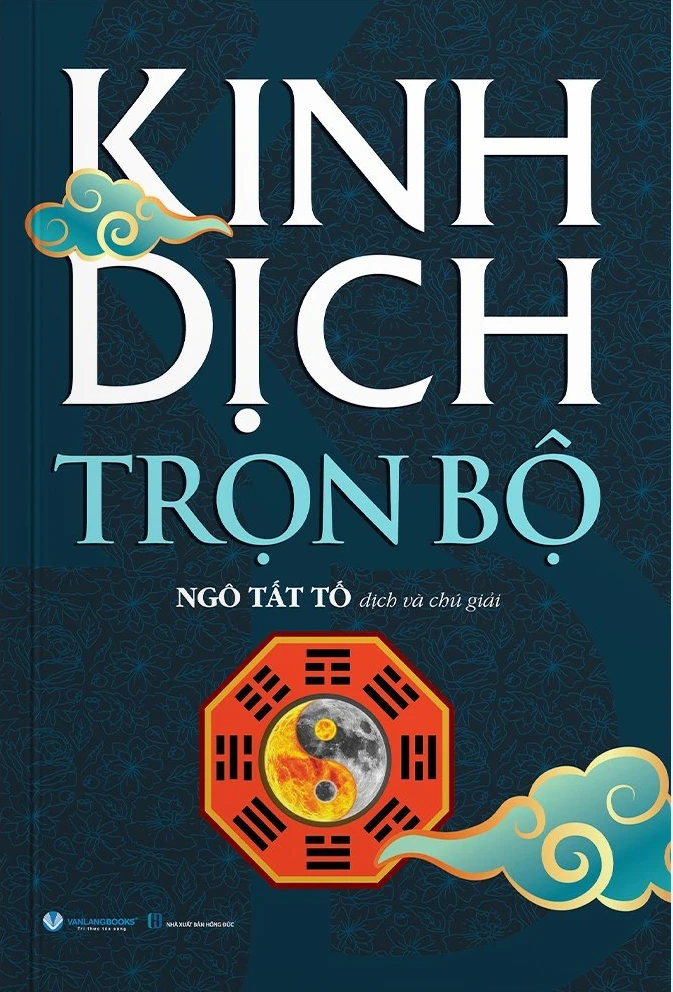
detailed information
“The I Ching” (Book of Changes) is one of the oldest and most influential philosophical works in Eastern thought. Although many people associate it with divination or fortune-telling, its deeper value lies in its understanding of change, balance, and the constantly shifting nature of life.
One of the most fascinating aspects of the book is its view of the world as a dynamic and interconnected system. Nothing remains fixed forever; everything evolves, transforms, and moves between different states. Concepts such as yin and yang, growth and decline, movement and stillness are presented not as rigid opposites, but as natural forces that continuously interact and influence one another.
“The I Ching” is not an easy book to read in a conventional sense. Much of its language is symbolic, condensed, and open to interpretation. Yet this complexity is also what gives the book its enduring depth. Readers often return to it repeatedly, discovering new meanings depending on their stage of life and perspective.
Beyond philosophy, the book has influenced culture, politics, spirituality, and ways of thinking across many Asian societies for centuries. Many readers turn to it not necessarily for prediction, but for reflection — to better understand uncertainty, adapt to change, and develop a calmer relationship with life’s unpredictability.
Whether approached as philosophy, spiritual literature, or personal contemplation, “The I Ching” remains a timeless work that invites readers to slow down, observe deeply, and reflect on the patterns of change that shape both human life and the world itself.
You might like
Related products
Spiritual literature
Spiritual literature