
 Deutsch
 Tiếng Việt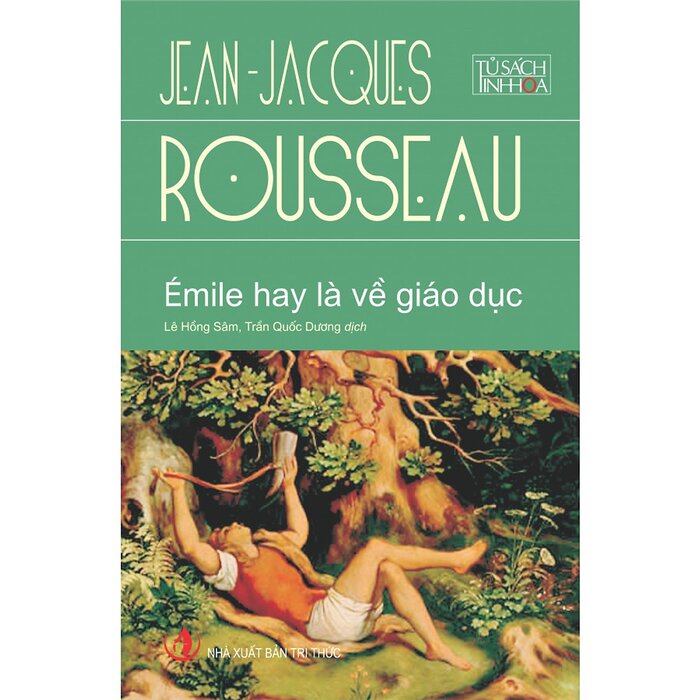
detailed information
“Émile, or On Education” by Jean-Jacques Rousseau is one of the most influential classical works in the history of educational philosophy. Through the fictional story of a boy named Émile and his journey toward adulthood, Rousseau presents the revolutionary idea that children are not simply miniature adults, but individuals with their own natural stages of development, emotional needs, and ways of learning. According to Rousseau, education should not focus solely on memorization, strict discipline, or social conformity, but should instead support the child’s natural growth, curiosity, independence, and inner freedom.
One of the book’s central themes is the importance of “natural education.” Rousseau believed that children learn best through direct experience, exploration, observation, and interaction with the real world rather than through rigid academic instruction alone. He also emphasized emotional development, moral awareness, and independent thinking as essential parts of becoming a healthy and balanced human being. Many modern child-centered educational philosophies were later inspired by the ideas presented in this work.
Although written in the eighteenth century, “Émile, or On Education” continues to be admired for its philosophical depth and lasting influence on education and child development. Reflective, thought-provoking, and deeply human, the book is not only about raising children, but also about freedom, human nature, and the true purpose of education itself.
You might like
Related products

Parenting

Parenting