
 Deutsch
 Tiếng Việt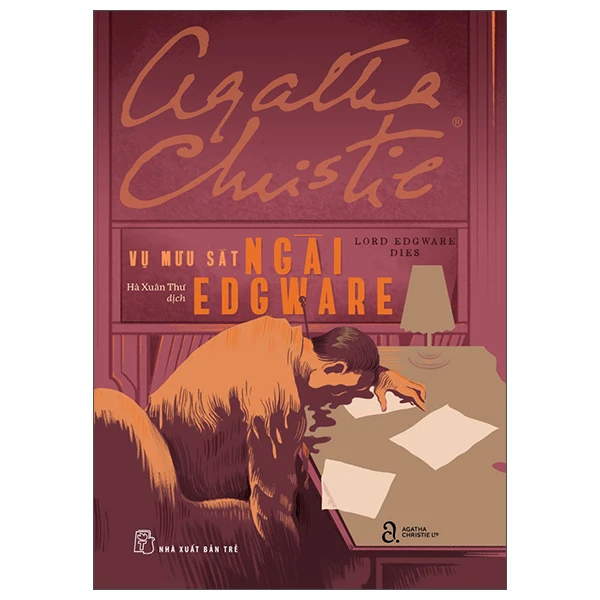
detailed information
“Lord Edgware Dies”, also published in some editions as “Thirteen at Dinner,” is one of Agatha Christie’s classic detective novels featuring the brilliant Belgian investigator Hercule Poirot. First published in 1933, the story combines an apparently straightforward murder case with clever misdirection, hidden motives, and the kind of ingenious plotting that made Christie the undisputed Queen of Crime.
The novel begins when the glamorous actress Jane Wilkinson approaches Poirot with an unusual request. She wants his help persuading her husband, the wealthy and aristocratic Lord Edgware, to grant her a divorce so that she can marry another man. To Poirot’s surprise, Lord Edgware has already agreed to the separation. Yet only hours later, he is found murdered in his own home. Suspicion immediately falls on Jane because witnesses claim they saw her visiting the victim that evening. However, she appears to have an unshakable alibi, having attended a dinner party in the company of numerous respected guests.
As Poirot investigates, the apparently simple case becomes increasingly complicated. Contradictory testimonies, concealed relationships, and carefully guarded secrets emerge one after another. Rather than relying solely on physical evidence, Poirot uses his deep understanding of human psychology and his extraordinary attention to detail to uncover the truth hidden behind appearances.
More than a traditional whodunit, “Lord Edgware Dies” is a masterclass in suspense and misdirection. Every clue has a purpose, every conversation contains hidden significance, and the final revelation is both surprising and perfectly logical. It remains one of Agatha Christie’s most elegant and entertaining mysteries.
You might like
Related products
Detective novel / Detective fiction
Detective novel / Detective fiction
Death in the Clouds – Án mạng giữa không trung – Agatha Christie
Detective novel / Detective fiction
Detective novel / Detective fiction
Arsène Lupin, Gentleman Burglar – Siêu Trộm Quân Tử Arsène Lupin – Maurice Leblanc
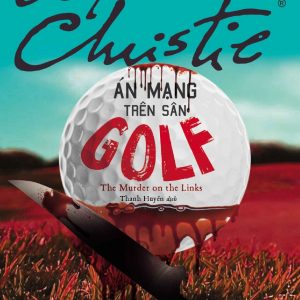
Detective novel / Detective fiction
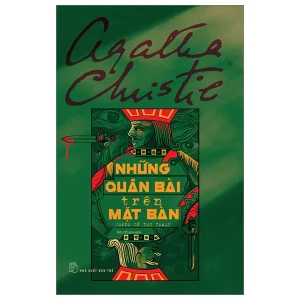
Detective novel / Detective fiction
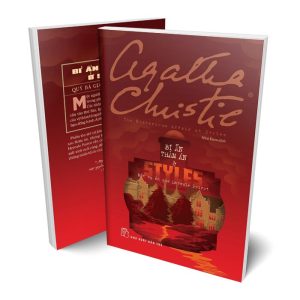
Detective novel / Detective fiction
The Mysterious Affair at Styles – Bí ẩn thảm án ở Styles – Agatha Christie