

 Deutsch
 Tiếng Việt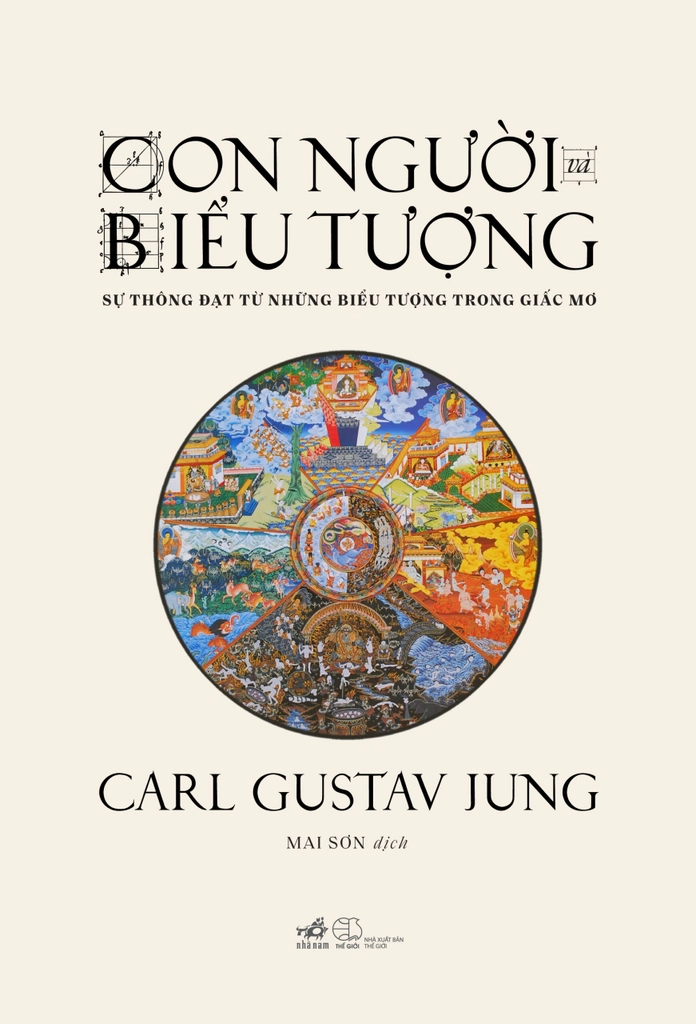
detailed information
Man and His Symbols is one of the most influential and accessible works by Carl Gustav Jung, the Swiss psychiatrist and founder of analytical psychology. Written for general readers, the book explains that dreams, myths, artistic images, and everyday symbols are not random creations of the mind but meaningful expressions of the unconscious. Jung believed that beneath personal consciousness lies a deeper layer called the “collective unconscious,” a shared psychological heritage that contains universal archetypes developed throughout human history. Figures such as the Mother, the Hero, the Shadow, and the mandala appear repeatedly across cultures because they represent fundamental patterns of human experience. By paying attention to these symbolic images, people can gain insight into hidden emotions, unresolved conflicts, and aspects of themselves that remain outside conscious awareness. The book also explores how dreams serve as a natural language through which the unconscious communicates with the conscious mind, encouraging personal growth and psychological balance. Unlike many academic texts, Man and His Symbols uses clear language and vivid examples drawn from religion, mythology, literature, and art, making Jung’s complex ideas understandable to a wide audience. More than an introduction to analytical psychology, the book invites readers to reflect on their inner world and to see symbolic thinking as a valuable guide for self-discovery. It remains a classic work for anyone interested in psychology, culture, dreams, and the search for meaning.
You might like
Related products
Psychology books

Philosophical books

Psychology books

Psychology books

Bestseller

Bestseller